7th Newton-Wellesley Hospital staff member diagnosed with brain tumor
Officials: Newton-Wellesley Hospital is “a safe environment” with no connection to the seven reported brain tumor cases among staff members who all worked in the same unit there, according to two new reports.
From ChatGPT: What significant sources of air pollution do you see in this picture? From this 3D satellite image, one notable potential source of air pollution visible is the tall smokestack near the center-left of the image.
That structure is characteristic of an industrial boiler or hospital power plant stack, likely used for power generation at or near Newton-Wellesley Hospital. Combustion from such stacks (often natural gas or dual-fuel oil/gas) can emit:
- Nitrogen oxides (NOₓ)
- Carbon monoxide (CO)
- Sulfur dioxide (SO₂) (if oil is used)
- Particulate matter (PM₂.₅, PM₁₀)
- Volatile organic compounds (VOCs)
- Carbon dioxide (CO₂)
Other, less visually identifiable but possible nearby sources could include:
- Vehicle exhaust from the multi-level parking garage in the foreground
The stack emits combustion products from a dual fuel boiler burning No. 2 Fuel oil or natural gas. Given that stack: a dual-fuel (No. 2 oil / natural gas) boiler mainly emits NOₓ, CO, fine/ultrafine particles (PM₂.₅/UFPs), and small amounts of aldehydes (e.g., formaldehyde) and aromatics (e.g., benzene/PAHs).
What’s linked to brain tumors?
- PM₂.₅ / UFPs → meningioma signal: Large recent cohorts report higher meningioma risk with long-term exposure to particulate air pollution (including UFPs). This is the clearest brain-tumor association so far, though it’s observational. (neurology.org)
- NO₂ / NOₓ: Results are mixed/inconsistent—some large studies find little or no association with meningioma or overall brain-tumor incidence. (PMC)
- Formaldehyde (more relevant to gas combustion): Classified as carcinogenic (nasopharyngeal cancer, leukemia), but evidence for brain cancer is limited/uncertain. (American Cancer Society)
- Benzene/PAHs (more relevant to No. 2 oil combustion): Benzene is a human carcinogen; some occupational evidence suggests higher nervous-system cancer risks, but specific links to brain tumors remain limited. (Cris)
- Diesel-like exhaust (oil firing) in general: Established carcinogen for lung; data for brain tumors are limited. (iarc.who.int)
Bottom line
From what that stack emits, the most evidence-linked pollutant class for brain tumors (esp. meningioma) is particulate matter (PM₂.₅/UFPs)—typically higher when firing No. 2 oil than when firing natural gas. Links for NO₂, formaldehyde, and benzene to brain tumors are weaker or inconclusive, even though some of those pollutants are carcinogenic for other sites. (neurology.org)
If you’re evaluating risk locally, prioritizing PM controls and minimizing oil-firing hours (good tuning, low-sulfur oil, filtration/maintenance, and favoring gas over oil when possible) aligns best with the current evidence.
So the most significant visible source of air pollution in this image is the tall exhaust stack, with secondary contributions likely from vehicle traffic and backup generators on the hospital grounds.
The top of the stack is at elevation 259’ and the HVAC air intakes on the roof of the hospital 500 feet away are at elevation 214’. Ground elevation is 123’. Does the stack height meet the EPA’s Good Engineering Practice stack height for an industrial boiler?
Short answer: No.
Using EPA’s GEP formula, the stack should be taller.
Given
- Stack top elev.: 259 ft → stack height above ground = 259 − 123 = 136 ft
- Nearby hospital roof (HVAC intakes) elev.: 214 ft → building height above ground = 214 − 123 = 91 ft
- Horizontal separation: ~500 ft (well within “nearby”)
GEP height (40 CFR §51.100(ii)): the greater of
- 65 m ≈ 213 ft, or
- H + 1.5L, where H = nearby building height and L = lesser of the building height or projected width.
Taking a conservative L = H = 91 ft (width is typically ≥ height):
H + 1.5L = 91 + 1.5×91 = 91 + 136.5 = 227.5 ft.
Compare: actual stack 136 ft < 213–228 ft GEP → below GEP height.
This implies building downwash is likely, and a refined BPIPPRM/AERMOD analysis would need to include downwash.
Sources: EPA/CFR definition of GEP stack height and formula. (Legal Information Institute)
Could this cause excess air pollution to enter the air intakes on the top of the building? What happens if the building then recirculates this air within the building? Yes — that situation could definitely allow pollutant re-entrainment into the hospital’s air system.
Let’s unpack what’s likely happening and why it matters:
1. Stack height & downwash
Because the boiler stack (≈136 ft above grade) is ~90 ft lower than EPA’s Good Engineering Practice (GEP) height for a nearby 91 ft-tall building 500 ft away, the stack is within the building’s aerodynamic wake zone.
When wind flows over the hospital, it creates a low-pressure eddy region downwind that can draw plume gases downward instead of allowing them to rise and disperse. In this case, the stack is short enough that its exhaust could:
- Traverse the rooftop level of the hospital rather than clearing it,
- Enter rooftop air intakes, especially under certain wind directions (prevailing westerly or if the stack is upwind of the intakes).
2. If contaminants enter the intakes
Once exhaust products (NOₓ, CO, PM₂.₅, aldehydes, sulfur compounds, trace VOCs) are drawn into the HVAC outdoor air inlets, they become part of the supply air to the hospital. Even with MERV filters:
- Particles smaller than 2.5 µm and gaseous pollutants (NO₂, formaldehyde, etc.) can pass through or adsorb on filters, entering occupied zones.
- Patients and staff may experience odor complaints, eye or respiratory irritation, or, in worst cases, elevated indoor NO₂/CO levels.
- Sensitive populations (infants, elderly, immunocompromised) are especially vulnerable.
3. Recirculation effects
If the hospital’s air-handling units use a return-air / mixed-air system (most do):
- The contaminated supply air becomes part of the return air stream,
- That air is recirculated, diluting but spreading pollutants building-wide,
- Over time, steady low-level accumulation of combustion products can occur unless the outdoor-air fraction is very high or activated-carbon filtration is added.
4. Engineering controls
Typical mitigation measures include:
- Raising the stack to at least the GEP height (~225 ft here) or adding a booster fan to improve plume rise.
- Relocating or re-orienting air intakes away from the downwind side of the stack.
- Installing activated-carbon or potassium-permanganate filters in rooftop air handlers to remove NO₂, SO₂, and VOCs.
- Continuous monitoring of rooftop intake air for CO, NO₂, or VOCs to verify no recapture events.
Summary
Because the existing 136 ft stack is significantly shorter than the GEP height, plume downwash is probable. This can allow boiler exhaust to be drawn into the hospital’s rooftop air intakes, and if the building recirculates that air, the pollutants can spread through the indoor environment.
The hospital should address this through stack height corrections, intake relocation, or enhanced filtration to prevent re-entrainment and protect patient air quality.
Are any of the above pollutants linked to brain tumors? Short answer: yes—particulates are the standout. The rest are mixed/weak.
- Fine & ultrafine particles (PM2.5/UFPs): Several large cohort studies report higher meningioma risk with long-term exposure—signal strongest for particulate pollution from traffic/diesel. (neurology.org)
- Overall “air pollution → CNS tumors”: Some cohorts find positive associations (especially for malignant non-glioma/CNS tumors), but results aren’t fully consistent across studies. (BioMed Central)
What about the specific stack pollutants you listed?
Bottom line: Among pollutants from a hospital/utility stack or garage, particulate pollution (especially UFPs/PM2.5) has the clearest (though still observational) link to meningioma/CNS tumors. Links for NO₂, SO₂, CO are weak or inconsistent. If you’re worried about local exposure, focusing on particulate controls (fuel choice, filtration, genset hours, idling/traffic around the garage) would be the most evidence-aligned step.
- NO₂ / NOₓ: Evidence is inconsistent—some studies show small positive associations, others none. (ScienceDirect)
- SO₂ & CO: Population studies generally show no association or even inverse signals (likely confounded), so no clear link to brain tumor incidence. (PMC)
- Diesel exhaust (mix of PM, NOₓ, organics): Classified as a human carcinogen (lung); effects on brain tumors specifically are limited/inconclusive, though diesel exposure can acutely alter brain functional connectivity. (American Cancer Society)
- VOCs/benzene: Some occupational data suggest increased nervous system cancer risks with benzene, but evidence focused on brain tumors is limited. Ecological links have been reported, but aren’t definitive. (ScienceDirect)
Could the parking garage vehicle exhaust also be increasing the pollution into the HVAC units and is this exhaust linked to meningioma?
Yes — both points are valid concerns.
1. Parking garage exhaust and rooftop intakes
Even though the garage is only ~215 ft away and ~42 ft high, it can still significantly influence air quality around the hospital’s rooftop intakes, especially under low-wind or stable atmospheric conditions.
Typical garage emissions include:
- Carbon monoxide (CO)
- Nitrogen oxides (NOₓ → NO₂)
- Particulate matter (PM₂.₅, ultrafine PM)
- Volatile organic compounds (VOCs) such as benzene, toluene, and formaldehyde
- Polycyclic aromatic hydrocarbons (PAHs) from incomplete combustion
When the wind direction lines up (garage → hospital), these pollutants can:
- Travel directly into rooftop air intakes, especially if those intakes are downwind and below the dispersion height,
- Be drawn inside and recirculated by the HVAC system, leading to intermittent indoor pollution spikes, odors, or elevated NO₂/CO concentrations, and
- Mix with any boiler emissions caught in the same downwash zone, compounding exposure.
2. Evidence linking vehicle exhaust to meningioma and brain tumors
a. Fine and ultrafine particulate matter
- The strongest evidence connecting air pollution and meningioma comes from PM₂.₅ and ultrafine particle exposure—components heavily emitted by vehicle exhaust.
- A large Danish cohort study (Cramer et al., Neuro-Oncology, 2022) found a significant association between long-term traffic-related PM₂.₅ exposure and increased meningioma incidence.
- Other European cohorts and meta-analyses show similar associations for traffic-related particulate pollution, especially among women and older adults.
b. Nitrogen dioxide (NO₂) and other traffic gases
- Some studies find weak to moderate correlations between NO₂ (a marker of vehicle exhaust) and brain tumors, but results are inconsistent.
- NO₂ and co-emitted species can contribute to oxidative stress and inflammation in neural tissue, which are plausible biological mechanisms for tumor promotion.
c. Benzene, formaldehyde, and PAHs
- Benzene and formaldehyde are classified as human carcinogens; although their best-established links are with leukemia and nasopharyngeal cancer, there is suggestive evidence of elevated nervous-system tumor risk in workers with chronic exposure to these compounds.
- PAHs in exhaust can cross the blood-brain barrier and have shown neurotoxic and genotoxic effects in experimental studies.
3. Practical implications for your site
- The hospital’s rooftop intakes could be pulling a mix of boiler exhaust and garage vehicle emissions, especially under certain wind conditions.
- Chronic low-level exposure to this mixture adds PM₂.₅, NO₂, and VOCs indoors—pollutants with the clearest epidemiologic signal for meningioma risk.
- Hospitals typically mitigate this by:
- Re-siting or shielding air intakes away from garage exhaust and stack plumes,
- Installing activated-carbon or potassium-permanganate filters to remove NO₂ and VOCs, and
- Monitoring rooftop and indoor air for CO, NO₂, and PM₂.₅ levels to confirm recapture.
✅ Summary
- Yes, garage exhaust can substantially increase pollutant concentrations at the hospital’s HVAC intakes.
- The pollutants most consistently linked to meningioma or other CNS tumors are fine and ultrafine particulate matter (from both boiler and vehicle exhaust).
- Other traffic-related pollutants—NO₂, benzene, formaldehyde, PAHs—have possible but less consistent evidence.
- Combining emissions from the boiler stack and nearby garage creates a plausible local exposure pathway that merits air-flow modeling and rooftop air sampling.


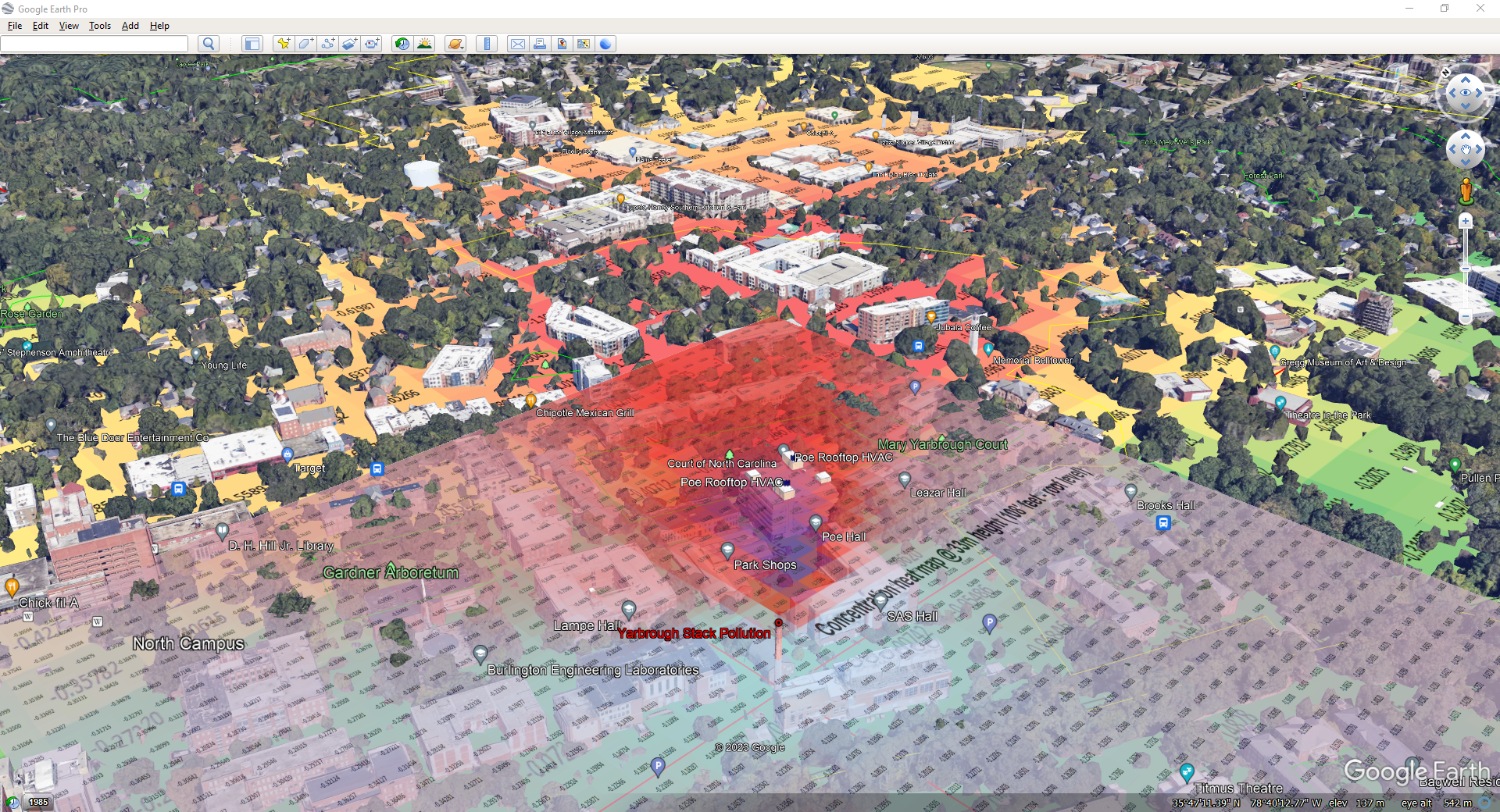


EPA Guideline for Determination of “Good Engineering Practice” Stack Height.
A culture of bad things handled in bad ways’: NC State employees question Poe Hall handling
More than 100 people who spent time in Poe Hall report cancer diagnosis to WRAL
That stack is butt-ass ugly anyway.
And in conclusion, it is most likely the Academic Industrial Complex most likely giving you cancer…
- https://www.msn.com/en-us/health/other/reports-of-cancers-linked-to-nc-state-building-spur-controversy-here-s-what-s-happening/ar-BB1i5vAb
- https://www.cbs17.com/news/local-news/wake-county-news/nc-state-requests-cdc-investigation-into-poe-hall-contamination-issues/
- https://www.cbs17.com/news/local-news/wake-county-news/poe-hall-class-action-lawsuit-begins-amid-vote-of-no-confidence-in-nc-state-administrators/
- https://www.wral.com/story/nc-state-chancellor-vice-chancellor-receive-vote-of-no-confidence-over-handling-of-poe-hall/21280384/
- https://bricklayers.history.ncsu.edu/items/show/28
- https://www.epa.gov/scram/air-quality-dispersion-modeling-preferred-and-recommended-models
- https://www.deq.nc.gov/about/divisions/air-quality/air-quality-permitting/modeling-meteorology/meteorological-data
- https://www.google.com/earth/about/versions/#earth-pro
“Words have no power to impress the mind without the exquisite horror of their reality.” – Edgar Allen Poe
https://pubmed.ncbi.nlm.nih.gov/31566127/
Along this path Dorothy, be careful what falls from the sky, and your scarecrow friend might be smart to hold off on his new brain until later.
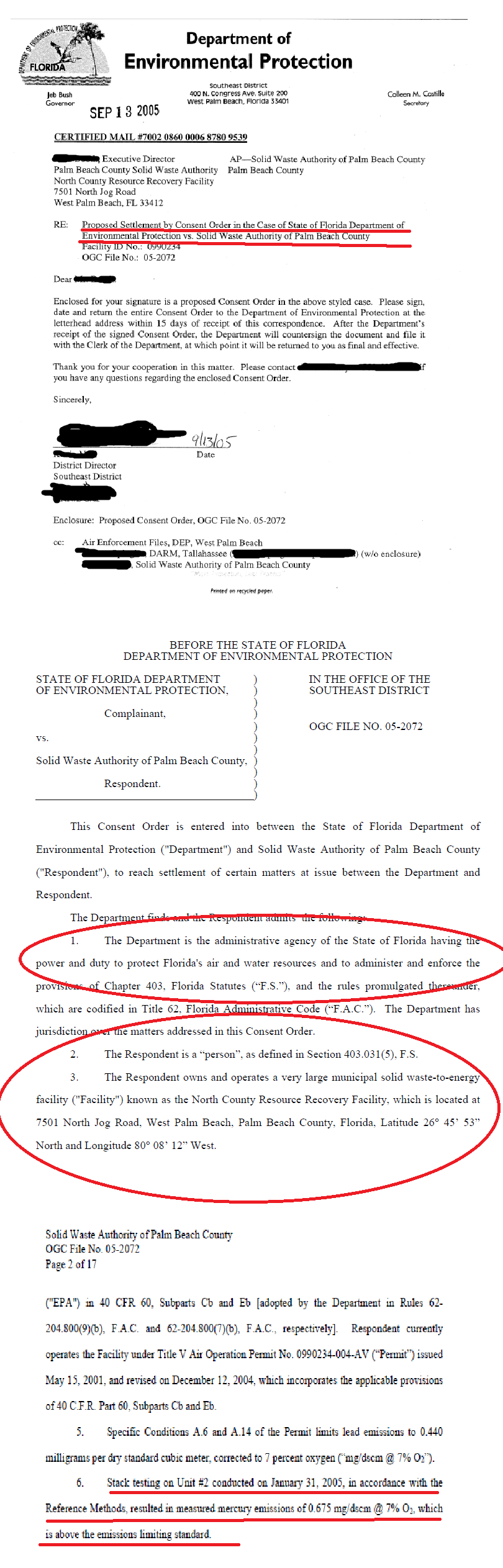
When mercury (Hg) emission limits are exceeded in a solid waste incinerator, the consequences can be particularly concerning for both human health and the environment. Here are some of the risks associated with excess mercury emissions:
Human Health Risks:
Neurological Effects: Mercury is a neurotoxin. Its most profound impacts are on the nervous system. Methylmercury exposure in the womb, which can result from a mother’s diet or exposure to mercury vapor, can adversely affect a baby’s growing brain and nervous system. Impacts on cognitive thinking, memory, attention, language, and fine motor and visual spatial skills have been seen in children exposed to methylmercury in the womb.
Cardiovascular Effects: Some studies have also suggested a link between mercury exposure and increased risks of cardiovascular diseases.
Immune System: Mercury exposure might weaken the immune system, making individuals more susceptible to diseases.
Digestive and Immune Systems Effects: High levels of mercury exposure can harm the digestive, nervous, and immune systems, lungs, kidneys, skin, and eyes.
Environmental Risks:
Bioaccumulation in Aquatic Ecosystems: Mercury can be converted to methylmercury (its most toxic form) in water bodies. Methylmercury can bioaccumulate in fish and other aquatic organisms. As larger animals consume smaller ones, the concentration of mercury increases up the food chain. Top predators, including some species of fish that humans consume, can have mercury concentrations millions of times higher than the surrounding habitat.
Wildlife Poisoning: Birds and mammals that eat fish can also consume large amounts of mercury, leading to behavioral changes, decreased reproduction, and even death in some species.
Soil and Vegetation Contamination: Mercury deposition can affect terrestrial environments, leading to contamination of soil and vegetation, which can then enter the food web.
Operational Risks for the Incinerator:
Regulatory Penalties: Exceeding mercury emission limits can lead to legal repercussions, financial penalties, and requirements for corrective action by the facility.
Public Perception: Public awareness of the dangers of mercury is relatively high, so violations can lead to significant public outcry, damaged reputation, and possible litigation.
Global Transport: Mercury emissions don’t just stay local. Mercury can undergo long-range transport in the atmosphere, meaning emissions from one location can impact regions far away, making it a global concern.
Given the severe health and environmental risks associated with mercury, many countries have strict regulations governing its emission from industrial sources, including solid waste incinerators. Efforts to reduce mercury emissions include the use of cleaner technologies, air pollution control devices, and international agreements like the Minamata Convention on Mercury.
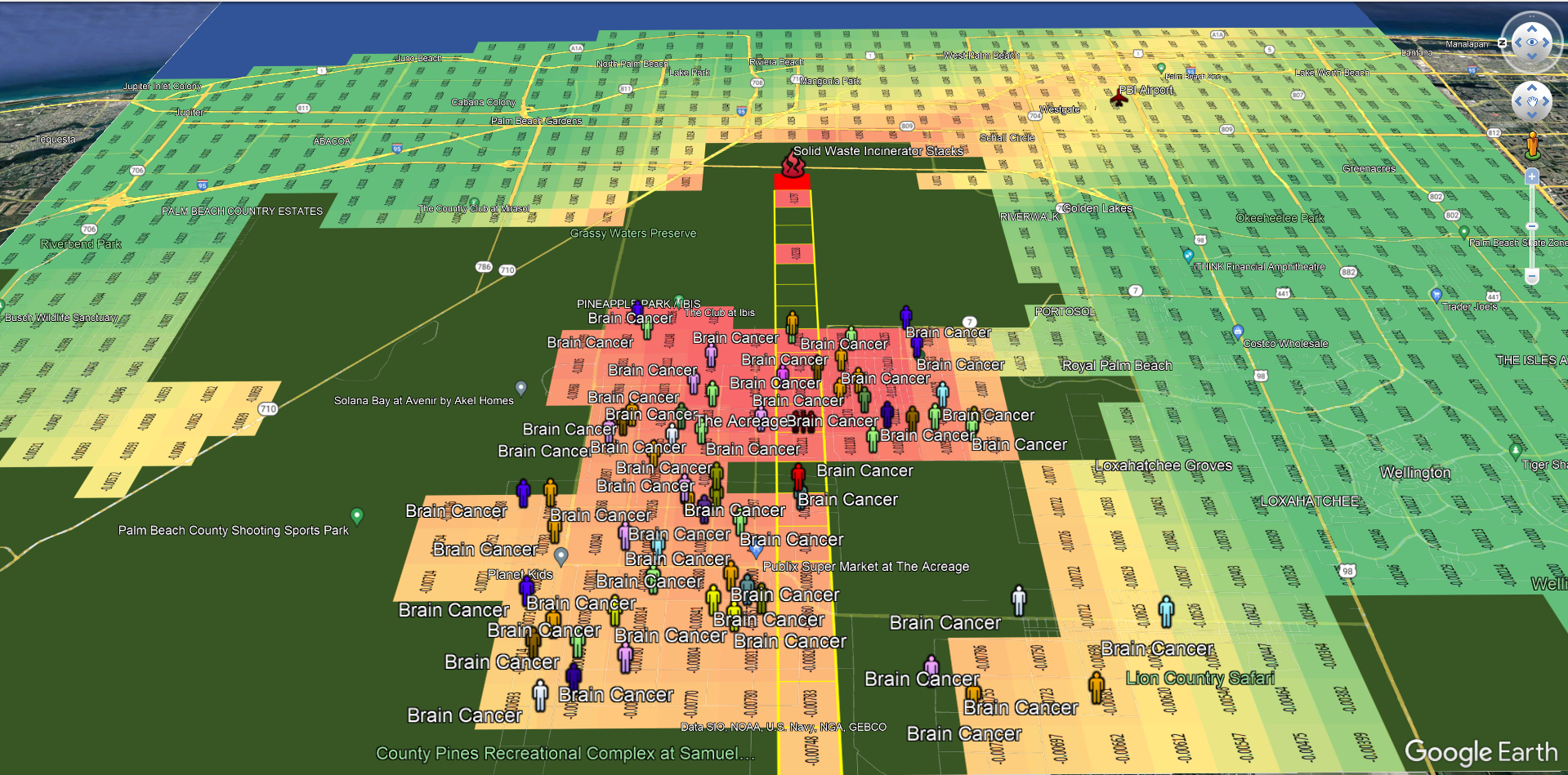
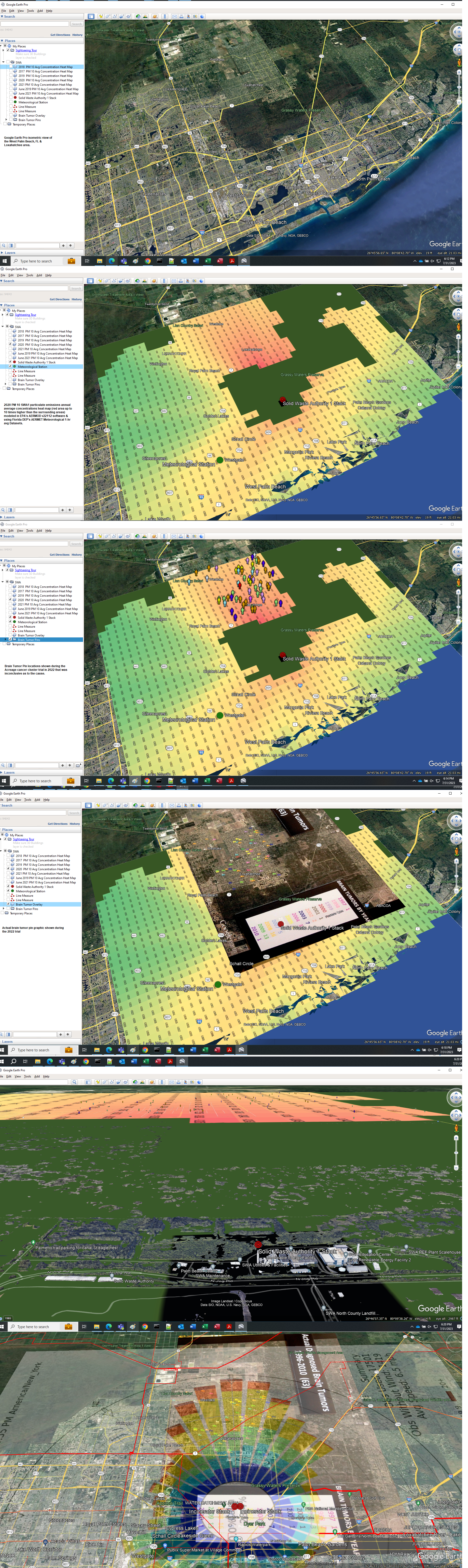
I thought it uncanny that the “path integral” of the highest predicted concentrations of hazardous air pollutants in a 1 km square grid, originating from the solid waste incinerator AERMOD dispersion model output (yellow outlined squares), computed using five-year weather data and including pollutants such as Dioxins, PM10, and Mercury, etc., all pass directly through the center of The Acreage community 11 km away to the West and then toward the WNW, the secondary area of increased brain tumors.

I can’t think of anything scarier than that brain cancer cluster in children or the Wicked Witch to the West. So you take care on this path Dorothy, it is surrounded by danger.
https://pubmed.ncbi.nlm.nih.gov/31566127/
https://en.wikipedia.org/wiki/Action_(physics)
https://en.wikipedia.org/wiki/Path_integral_formulation
un·can·ny: Strange or mysterious, especially in an unsettling way:
“an uncanny feeling that the path she was on would lead to danger”

Typically, each year, one in 30,000 to 40,000 children in the United States is expected to develop a brain tumor; but the Acreage, with a population of 39,000, had four pediatric brain-tumor cases between 2005 and 2007. Though the investigation turned up thirteen brain tumors in Acreage kids between 1994 and 2007, the official cluster consisted of just three girls, all of whom were diagnosed with brain cancer between 2005 and 2007. Based on the calculations in the report from the Florida Department of Health, a girl’s chance of getting a brain tumor in the Acreage was five and a half times what it was in the rest of Florida. And that scary figure didn’t include the four additional Acreage children who were diagnosed with brain tumors the following year, 2008. Nor did it account for the fact that many of the cases were clumped in the northern part of the study area, which meant that the concentration of cancer in that particular spot was even higher there than what the Health Department had found in the larger area. Indeed, some of the children with cancer had lived just 1,000 feet from one another. [2]
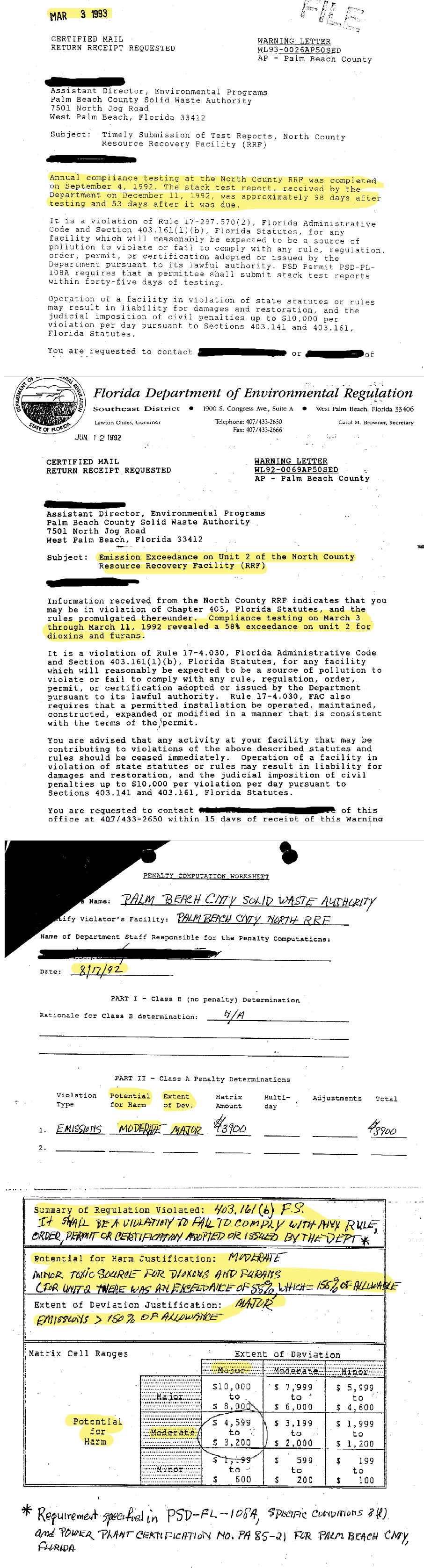
Dioxins and furans refer to a group of toxic chemical compounds that are unintentionally produced as by-products during combustion processes, such as those in solid waste incinerators. When emission limits for dioxins and furans are exceeded in a nearby solid waste incinerator, there are potential risks for both human health and the environment:
Human Health Risks:
Cancer: Dioxins have been classified by the World Health Organization’s International Agency for Research on Cancer (IARC) as a Group 1 carcinogen, which means they are known to be carcinogenic to humans. Prolonged exposure to dioxins can increase the risk of certain cancers.
Reproductive and Developmental Issues: Dioxins can interfere with hormones in the body and have been linked to reproductive and developmental problems.
Damage to the Immune System: There’s evidence to suggest that dioxins can weaken the immune system, increasing susceptibility to infectious diseases.
Endocrine Disruption: Dioxins can interfere with the endocrine system, affecting hormone production and function.
Skin Disorders: Exposure to high levels of dioxins can cause a skin condition called chloracne, which is characterized by severe acne-like lesions.
Potential Impacts on the Liver: Some studies have shown that dioxins might cause liver damage over time.
Environmental Risks:
Bioaccumulation: Like mercury, dioxins and furans can accumulate in the food chain. They bind strongly to soil and sediment particles and can remain in the environment for a long time. As a result, these compounds can be ingested by small organisms and then move up the food chain, accumulating in higher concentrations in larger organisms.
Toxicity to Aquatic Life: Dioxins and furans can be toxic to aquatic life, impacting the health and reproductive capabilities of fish and other aquatic organisms.
Wildlife Impact: As dioxins and furans bioaccumulate, top predators in ecosystems can be significantly affected. For instance, birds of prey that consume fish with high dioxin content can suffer reproductive impairments.
Other Concerns:
Long Persistence in the Environment: Dioxins and furans are highly persistent compounds, meaning they don’t degrade easily. As a result, once released into the environment, they can remain for many years, continuing to pose risks.
Long Half-life in the Human Body: Once ingested, dioxins and furans can stay in the human body for a long time, with a half-life estimated at 7 to 11 years.
Given the serious health and environmental implications of dioxin and furan emissions, it’s vital for solid waste incinerators to have stringent control measures and technologies in place to reduce their release. Additionally, ongoing monitoring and regulation are critical to ensuring that emission limits are consistently met and that public health is protected.
- https://experttoxicologist.com/toxicology-toxic-exposures-tcdd-dioxin.aspx#:~:text=TCDD%20is%20characterized%20as%20%22extremely%20toxic%22%20and%20is,very%20small%20amounts%20are%20present%20in%20the%20blood.
- https://www.typeinvestigations.org/investigation/2014/10/16/cancer-came-acreage/
- https://prodenv.dep.state.fl.us/DepNexus/public/electronic-documents/AIR_0990234/facility!search?pagination=true&electronicDocument.airDivision=false&electronicDocument.waterDivision=false&electronicDocument.wasteDivision=false&electronicDocument.documentType=&electronicDocument.dateFrom=&electronicDocument.dateTo=&electronicDocument.dateReceivedFrom=&electronicDocument.dateReceivedTo=&electronicDocument.subject=&electronicDocument.facilityId=AIR_0990234&electronicDocument.permitId=&electronicDocument.facilityDistrict=&electronicDocument.facilityCounty=&electronicDocument.sortCriteria=&tagConfig.criteriaTagType=regular&tagConfig.genInfoTagType=regular&tagConfig.listTagType=short&showBreadCrumb=false&page=52
- Xu, J., Ye, Y., Huang, F. et al. Association between dioxin and cancer incidence and mortality: a meta-analysis. Sci Rep 6, 38012 (2016). https://doi.org/10.1038/srep38012


Colonia High School District Brain Cancers
Staten Island High Cancer Rate
Radioactive particulates that could potentially be emitted from a solid waste incinerator can originate from various sources, such as medical waste, certain industrial materials, or naturally occurring radioactive elements present in the waste. The specific types of radioactive particulates and their half-lives would depend on the composition of the waste being incinerated. Here are some examples of potential radioactive particulates and their half-lives:
Radon (Rn-222): Radon is a colorless, odorless, and tasteless radioactive gas that can be released during the incineration process. It is a decay product of uranium-238 (U-238), which can be found in certain waste materials. Radon has a half-life of approximately 3.8 days.
Cesium-137 (Cs-137): Cesium-137 is a radioactive isotope that can be released during the incineration of materials containing cesium, such as certain industrial and medical waste. It has a half-life of about 30 years.
Strontium-90 (Sr-90): Strontium-90 is a radioactive isotope that can be present in waste due to its use in certain industrial and medical applications. It has a half-life of approximately 28.8 years.
Plutonium-239 (Pu-239): Plutonium-239 is a radioactive isotope that can be formed as a byproduct of nuclear reactions and may be present in certain waste materials. It has a half-life of around 24,110 years.
Uranium-235 (U-235) and Uranium-238 (U-238): Uranium isotopes can be present in waste materials from various sources, including medical and industrial applications. U-235 has a half-life of about 703.8 million years, while U-238 has a significantly longer half-life of about 4.5 billion years.
Technetium-99 (Tc-99): Technetium-99 is a radioactive isotope that can be produced as a byproduct of nuclear fission reactions. It is sometimes used in medical imaging and could potentially be found in waste materials from medical facilities. Tc-99 has a half-life of around 211,000 years.
Americium-241 (Am-241): Americium-241 can be formed as a byproduct of nuclear reactions and may be present in certain waste materials, particularly from industrial and research facilities. It has a half-life of about 432 years.
It’s important to note that not all solid waste incinerators emit radioactive particulates, and the emission levels, as well as the specific isotopes released, would depend on the waste materials being incinerated and the efficiency of the incineration process. Proper regulation and monitoring of incineration facilities are essential to mitigate any potential risks associated with the release of radioactive materials into the environment.
Solid waste incinerators have the potential to emit a range of heavy metals due to the combustion of waste materials containing various metals. The types and concentrations of emitted metals can vary depending on factors such as the composition of the waste, incineration conditions, and the effectiveness of emission control technologies. Some of the common heavy metals that could potentially be emitted from a solid waste incinerator include:
Mercury (Hg): Mercury is a highly toxic heavy metal that can be present in various waste streams, particularly from electronic waste, fluorescent lamps, and medical waste.
Lead (Pb): Lead can be present in batteries, electronic waste, and other discarded items. It’s a toxic metal that can have serious health impacts, especially on children.
Cadmium (Cd): Cadmium can be found in batteries, electronic waste, and certain plastics. It is known to have carcinogenic properties and can cause damage to the kidneys and other organs.
Chromium (Cr): Chromium can be present in various waste materials, including electronic waste and industrial waste. Different forms of chromium have varying levels of toxicity.
Arsenic (As): Arsenic is present in electronic waste, certain treated wood, and other waste materials. It is a highly toxic metalloid with a range of health effects.
Nickel (Ni): Nickel is commonly found in electronic waste, as well as other industrial waste streams. It can contribute to respiratory issues and other health problems.
Copper (Cu): Copper is present in electronic waste, wires, and plumbing fixtures. While essential in small amounts, excessive exposure can be harmful.
Zinc (Zn): Zinc can be emitted from incineration of various waste materials, including tires and electronic waste. It can contribute to environmental pollution and health concerns.
Aluminum (Al): Aluminum is present in a variety of waste materials, including packaging and electronic waste. While not as toxic as some other heavy metals, excessive exposure can have health impacts.
Iron (Fe): Iron can be emitted from incineration, especially if materials like certain textiles or metals are burned. Iron itself is not as toxic as other heavy metals.
It’s important to note that the presence and emissions of these heavy metals depend on the waste composition and the specific waste materials being incinerated. Additionally, proper emission control technologies and regulatory measures are necessary to minimize the release of these heavy metals into the environment and to ensure public health and environmental protection.
https://www.epa.gov/scram/air-quality-dispersion-modeling-preferred-and-recommended-models
https://www.epa.gov/sites/default/files/2020-07/documents/naaqs-pm_ria_final_2006-10.pdf
1989: SW1 Incinerator started up on Jog Rd: https://www.swa.org/Facilities/Facility/Details/Renewable-Energy-Facility-1-9
1994: Acreage Cancers begin showing up: https://www.typeinvestigations.org/investigation/2014/10/16/cancer-came-acreage/#:~:text=Though%20the%20investigation%20turned%20up,cancer%20between%202005%20and%202007.


 Dark Matters a Lot