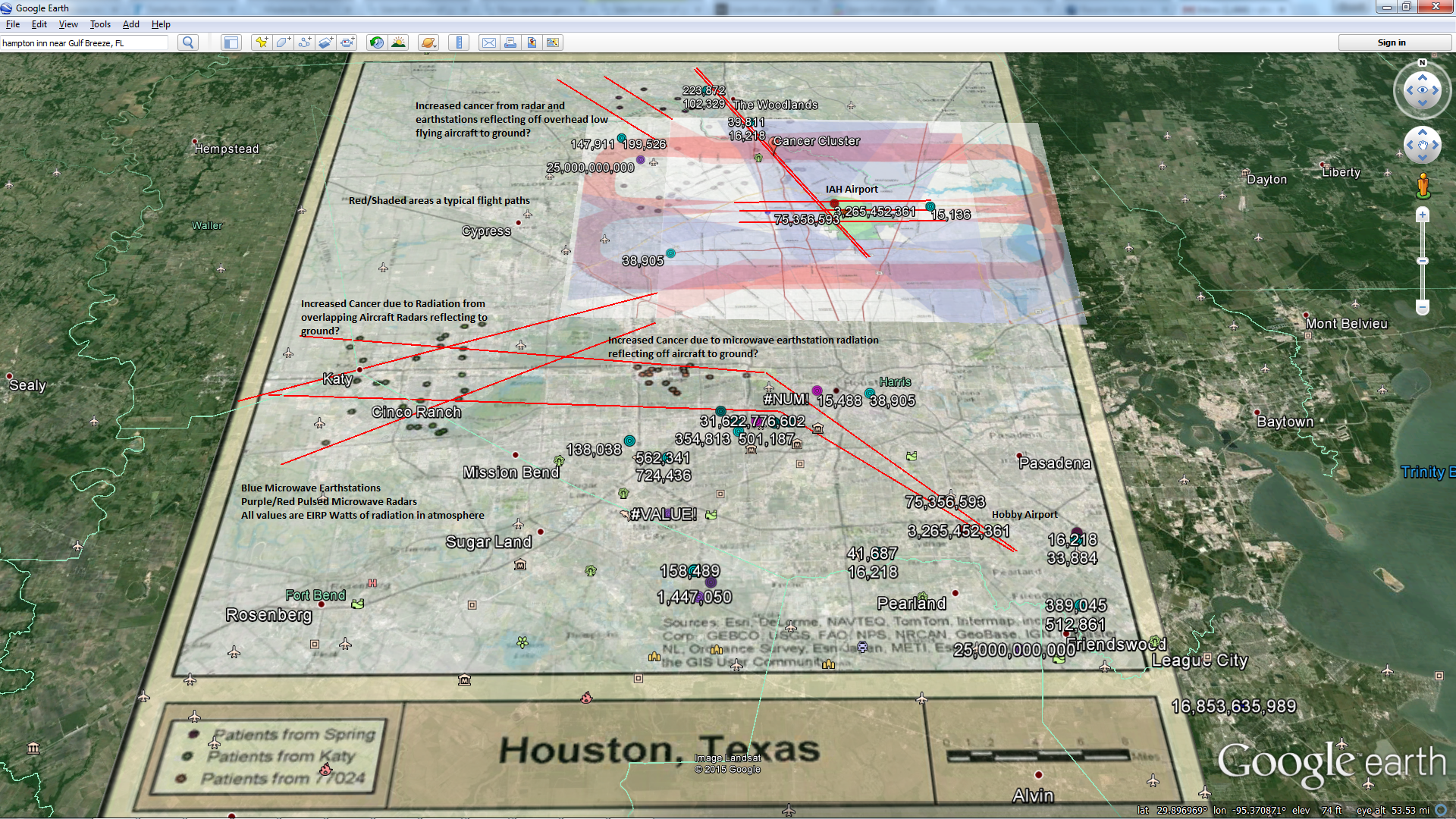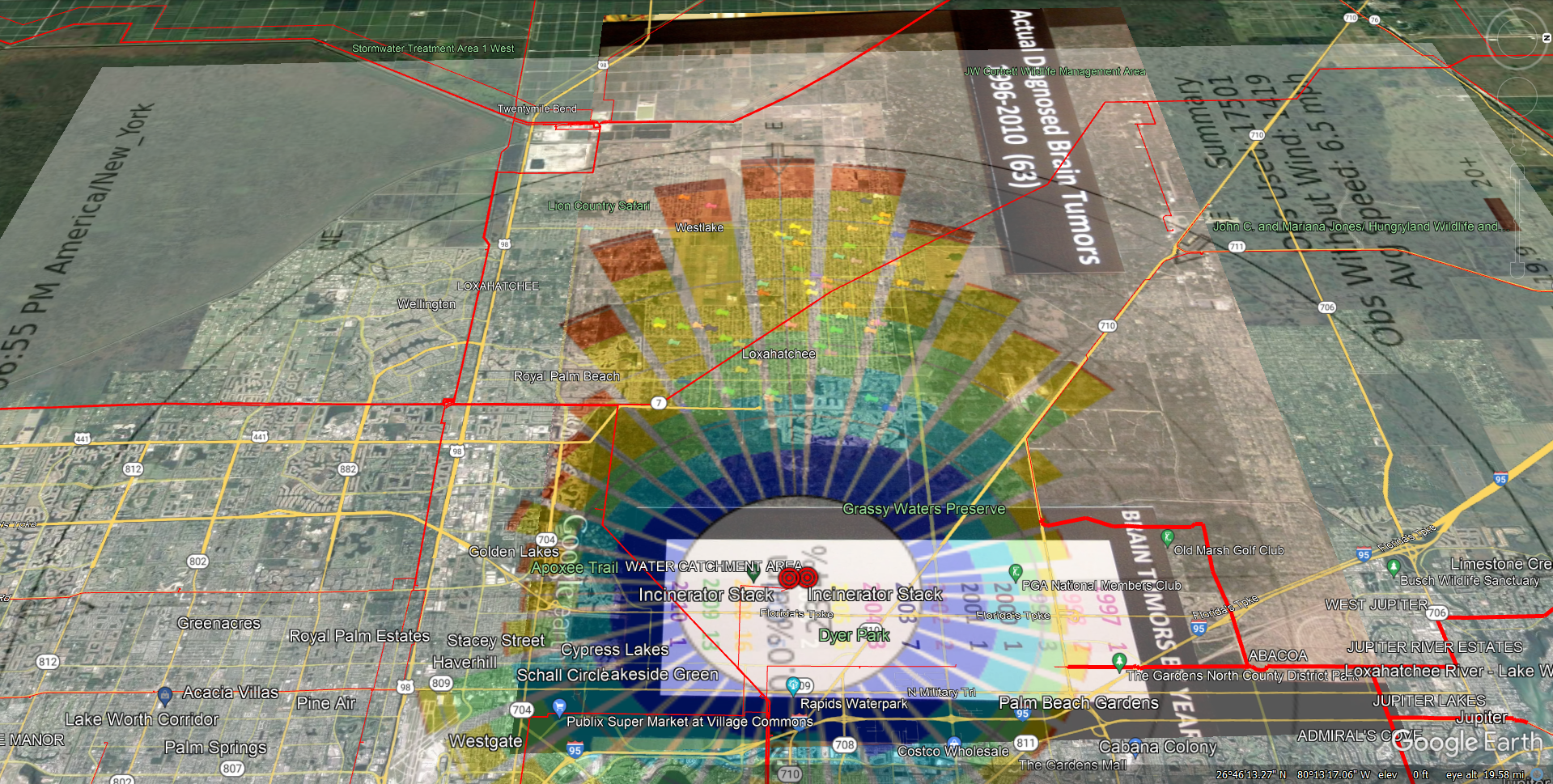
A wind rose is a graphical representation used to show the frequency and distribution of wind direction and wind speed at a specific location over a defined period of time. It is a useful tool for meteorologists, climatologists, and environmental scientists to visualize and understand wind patterns.
The wind rose is typically displayed as a circular diagram, with the circle divided into segments or sectors, each representing a different wind direction (e.g., north, northeast, east, southeast, etc.). The length of the segments is proportional to the frequency or duration of winds coming from that particular direction. This allows viewers to quickly grasp which wind directions are most common or dominant at the location.
Additionally, wind roses often use color coding or shading to indicate wind speed ranges within each sector. This provides information about the frequency of different wind speeds associated with each direction. For example, longer segments in a sector may represent stronger winds, while shorter segments may indicate weaker winds.
By analyzing wind roses, researchers and planners can gain insights into local wind patterns, prevailing wind directions, and potential wind-related impacts on various activities such as agriculture, construction, air quality, and renewable energy projects like wind farms. Wind roses are particularly useful in identifying potential wind resources for energy production and in understanding how wind influences air pollution dispersion and transport in a specific region.
Particulate matter emitted from an incinerator stack can travel downwind. The extent and distance to which the particulate matter can travel depend on various factors such as wind speed, wind direction, atmospheric conditions, and the size and weight of the particles.
When an incinerator burns waste, it releases combustion byproducts, including particulate matter, into the air through its stack. These particles can be carried by the wind in the direction of the prevailing wind, dispersing them over a certain distance downwind. The larger and heavier particles tend to settle closer to the incinerator, while smaller and lighter particles can be carried further away.
It’s important to note that the dispersion of particulate matter from an incinerator stack is influenced by the design and height of the stack, as well as any emission control measures in place. Incinerators are typically equipped with air pollution control devices, such as electrostatic precipitators or fabric filters, which help remove particulate matter before it is released into the atmosphere. These measures aim to reduce the amount of particulate matter emitted and minimize the environmental impact.
Local regulations and emission standards also play a significant role in controlling the dispersion of particulate matter from incinerators. These regulations set limits on emissions and require monitoring and reporting to ensure compliance, thus helping to mitigate the potential impacts of particulate matter on air quality and human health.
The combustion waste products of a solid waste incinerator before entering emissions control equipment can vary depending on the type of waste being incinerated, the design of the incinerator, and the combustion process. However, in general, the primary waste products produced during incineration are:
- Particulate Matter: This includes fine ash, dust, and other small solid particles that result from incomplete combustion or the burning of solid materials in the waste.
- Gaseous Pollutants: These can include sulfur dioxide (SO2), nitrogen oxides (NOx), carbon monoxide (CO), volatile organic compounds (VOCs), hydrogen chloride (HCl), and other hazardous air pollutants. These pollutants can be harmful to both human health and the environment.
- Heavy Metals: Some solid wastes may contain heavy metals such as lead, mercury, cadmium, and chromium, which can be released as gases or condensed onto particulate matter during incineration.
- Dioxins and Furans: These are highly toxic and persistent organic pollutants that can form during the combustion process, especially when burning certain types of waste, like plastics or chlorine-containing materials.
- Acidic Gases: Emissions of acidic gases, such as sulfur dioxide and hydrogen chloride, can contribute to acid rain formation if they are not properly controlled.
It is important to note that the emissions control equipment installed in the incineration process is designed to minimize the release of these waste products into the atmosphere. Technologies like scrubbers, baghouses, electrostatic precipitators, and selective catalytic reduction (SCR) systems are used to remove or reduce particulate matter, gases, and other pollutants before the flue gases are released from the stack. This ensures compliance with emission standards and reduces the environmental impact of incineration.
Solid waste at disposal sites can potentially contain radioactive materials. Radioactive materials can be generated from various sources, including medical facilities, research laboratories, industrial processes, and nuclear power plants. Some common radioactive materials found in solid waste may include:
- Radioactive Isotopes: These are unstable forms of elements that emit radiation as they decay. Radioactive isotopes are commonly used in medical treatments, diagnostic procedures, and research.
- Contaminated Objects: Solid waste from nuclear power plants, laboratories, or industrial facilities may contain objects contaminated with radioactive substances, such as protective clothing, tools, and equipment.
- Naturally Occurring Radioactive Materials (NORM): Some waste materials, such as certain types of mining residues or byproducts from industrial processes, may naturally contain radioactive elements.
- Radioactive Consumer Products: Radioactive materials can also be found in certain consumer products like smoke detectors, luminous watch dials, and antique glassware.
Proper disposal of radioactive waste is essential to ensure public safety and prevent environmental contamination. Radioactive waste is typically subject to specific regulations and guidelines that govern its handling, transportation, and final disposal. Disposal sites that accept radioactive waste must adhere to strict safety protocols and ensure that the waste is isolated and contained effectively to prevent potential harm to human health or the environment.
It’s important to note that not all solid waste at disposal sites contains radioactive materials, but the presence of radioactive waste in some instances underscores the importance of proper waste management and adherence to relevant regulations and safety measures.
It may just be me, but I would request a refund on those emissions control systems. My vote for the cause of the Acreage cancer cluster is a light sprinkling of heavy metals and topped off with a periodic dusting of ionizing radiation.

https://www.ncbi.nlm.nih.gov/pmc/articles/PMC4311389/
https://www.nature.com/articles/s41598-020-60774-0
1989: SW1 Incinerator started up on Jog Rd: https://www.swa.org/Facilities/Facility/Details/Renewable-Energy-Facility-1-9
1994: Acreage Cancers begin showing up: https://www.typeinvestigations.org/investigation/2014/10/16/cancer-came-acreage/#:~:text=Though%20the%20investigation%20turned%20up,cancer%20between%202005%20and%202007

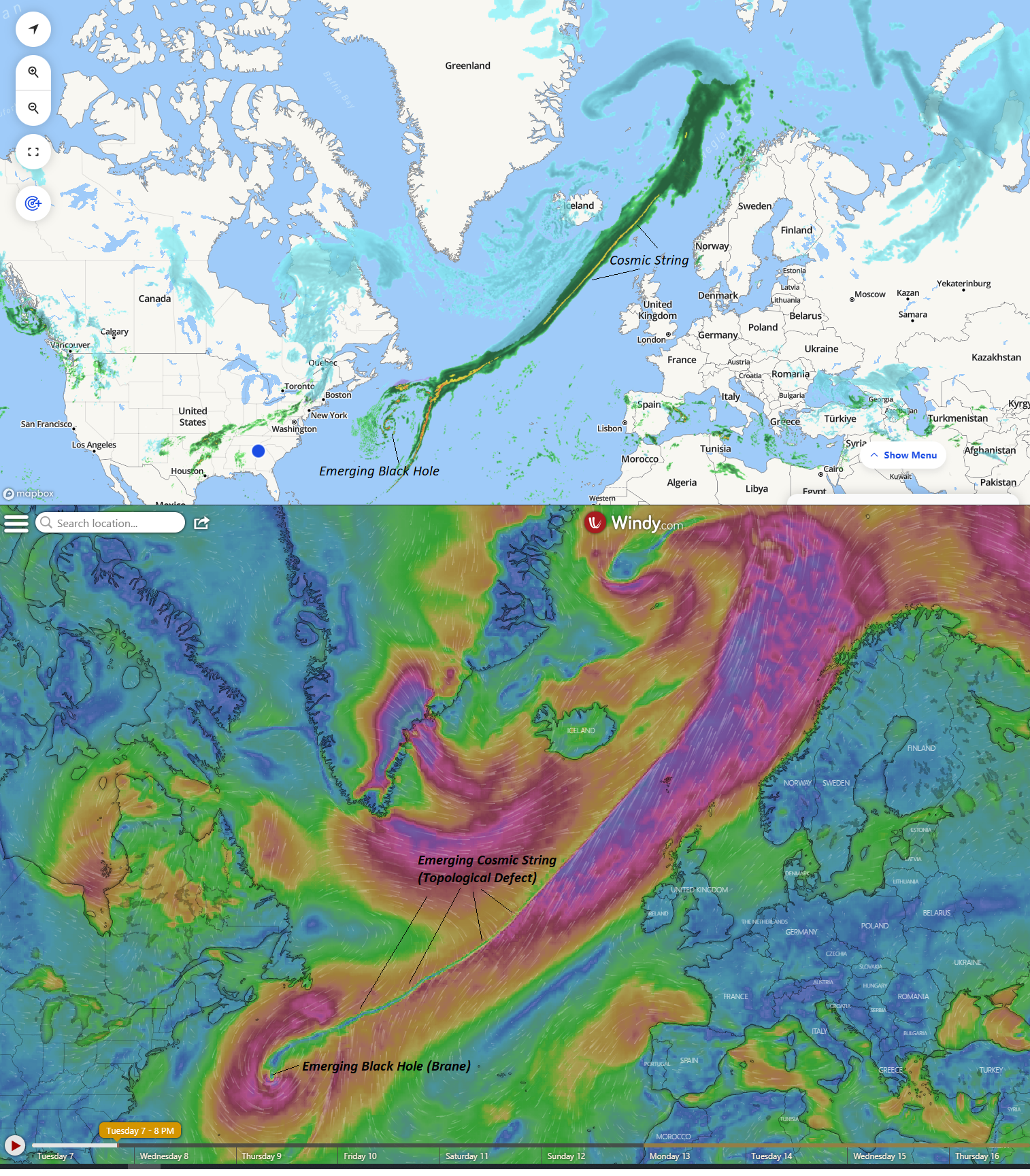
Hey, I noticed that a black hole just emerged over Mississippi and is increasing entropy and generating a vacuum and sucking in all the air molecules, generating 13 kt winds. Let’s hope they don’t have any vacuum catastrophes…
- https://phys.org/news/2011-05-mini-black-holes-atoms-earth.html (they emerge)
- https://en.wikipedia.org/wiki/False_vacuum_decay (no worries, it happens all the time)
- Emerging black holes increase entropy in the surroundings but appear to suffer from indigestion (You heard it here first 🙂
- https://www.windy.com/?33.124,-89.962,7,i:pressure,m:eBbadFW

- Auburn University, Auburn Alabama Ocular Melanoma Spatial and Temporal Clustering: An Environmental Cause Hypothesis
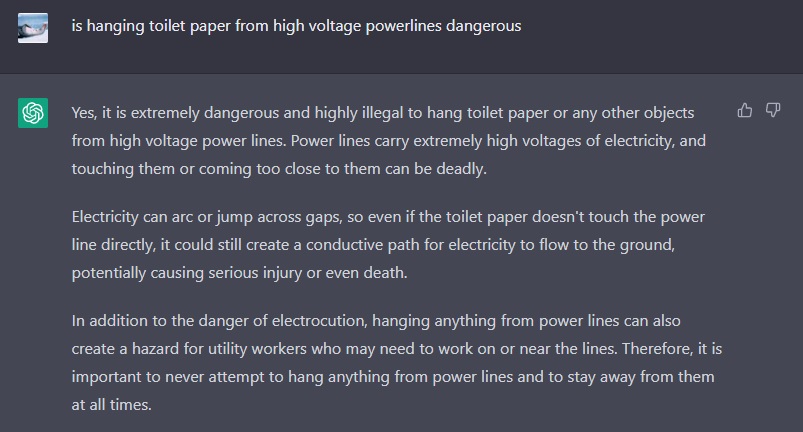
- https://openai.com/blog/chatgpt
The only thing more dangerous than PM2.5 particulate lodged in the eyes, throat, and lungs is oxidizing and ionizing PM2.5 particulate charged up to 3,000+ volts/meter lodged in the eyes, throat, and lungs.😢

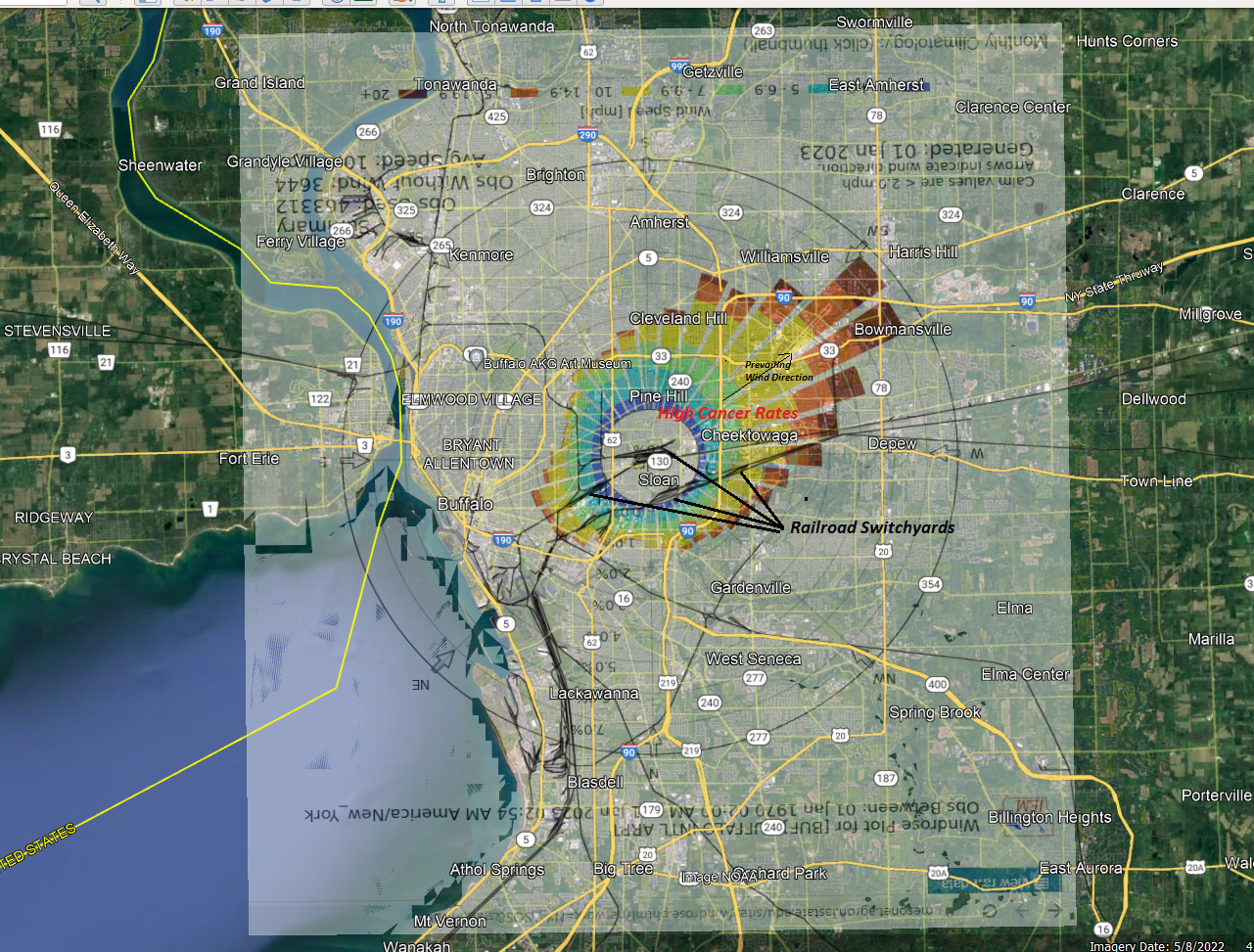
- State health officials headed to Buffalo to find clues about ‘cancer hotspot’
- Residents in so-called ‘cancer cluster’ in Buffalo & Cheektowaga seeking answers
- Why EPA Regulates Diesel Fuel
- Buffalo, NY Wind Rose
- Kashmere Gardens Cancer Cluster
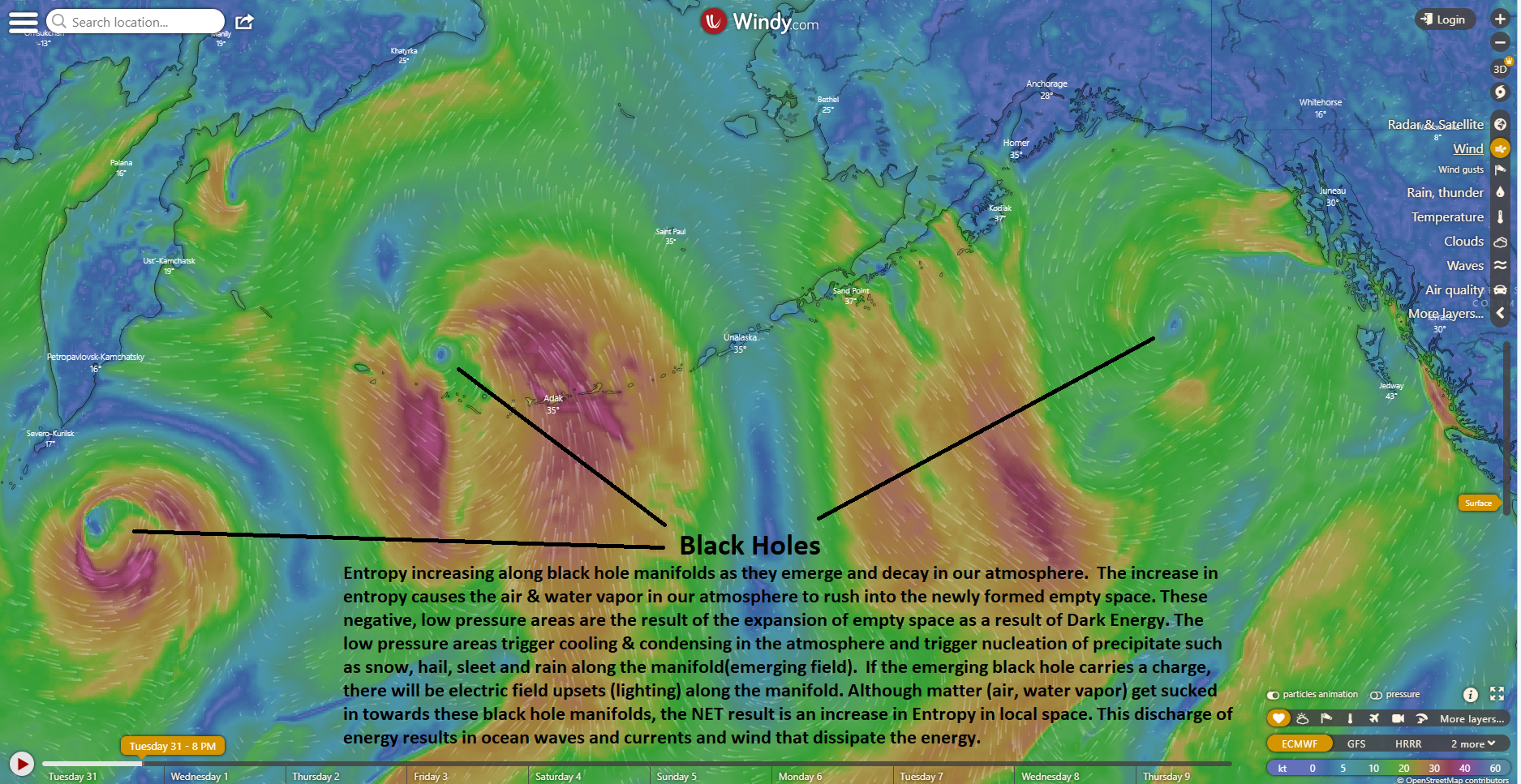
- https://www.windy.com
- https://en.wikipedia.org/wiki/Dark_energy
- https://www.sciencedirect.com/topics/mathematics/increasing-entropy
- https://en.wikipedia.org/wiki/Nucleation
- https://en.wikipedia.org/wiki/M-theory
- https://plato.stanford.edu/entries/scientific-underdetermination/
- https://www.academia.edu/36588966/The_cosmic_gorilla_effect_or_the_problem_of_undetected_non_terrestrial_intelligent_signals

Colonia High School, an area of high brain-cancer rates, is downwind and within 600′ of two gas stations(some local homes are even closer!), and the Garden State Parkway. The school is within an area of high air pollution/particulate and will see exposure to increased Benzene and other hazardous air pollution emissions. Look for the military-industrial complex to search for other less likely causes to deflect culpability.
- https://www.nj.com/news/2022/05/woodbridge-school-brain-cancer-cluster-investigation-finds-no-radiological-hazards.html
- https://www.cbsnews.com/newyork/news/investigation-by-woodbridge-n-j-finds-no-link-between-brain-tumors-and-colonia-high-school/
- https://www.the-scientist.com/news-opinion/air-pollution-tied-to-brain-cancer–study-66717
- https://www.scientificamerican.com/article/is-it-safe-to-live-near-gas-station/ (Two of them are <600′ from the school upwind!)
- https://www.cancer.org/healthy/cancer-causes/chemicals/benzene.html
- https://www.nj.com/news/2017/03/the_places_in_new_jersey_with_the_worst_noise_pollution.html
- https://www.lung.org/clean-air/outdoors/who-is-at-risk/highways
- https://mesonet.agron.iastate.edu/sites/windrose.phtml?station=LDJ&network=NJ_ASOS (closest wind station to Colonia High School that I found)
- https://indianaenvironmentalreporter.org/posts/gas-stations-emit-10-times-more-benzene-than-previously-recorded
- https://www.northjersey.com/story/weather/2018/04/24/nj-pollution-making-hazy-and-harder-breathe-some/546037002/
- Colonia High School Google Earth Web

- https://www.windy.com/?33.748,-84.387,5
- https://journals.aps.org/prd/abstract/10.1103/PhysRevD.104.043519
- https://arxiv.org/abs/2201.11504
- https://en.wikipedia.org/wiki/Inflation_(cosmology)
- https://cleaningbeasts.com/why-does-the-entropy-of-a-gas-increase-when-it-expands-into-a-vacuum/
- https://en.wikipedia.org/wiki/Vacuum


 Dark Matters a Lot