Guam Flying Fox – Pteropus tokudae Extinct (EX), Year assessed: 2011 (We Killed Kenny)
So I posted an earlier article on the collapse of the bat population on Guam. It coincides with the instance of ALS and motor neuron disease in the local population. I ran across a good article which tied the disease in bats to blue-green algae. If you have read my research, it started with plotting fish kills in Florida and around the US due to hypoxia, algae blooms (blue-green and brown) and red tide and I noticed they appeared to be happening more often around doppler microwave radar towers, such as those at Cape Canaveral/Melbourne, FL area (at least 10 microwave radars). I believe that is a sign of increased ionization around the towers. Guam also happens to have a tremendous amount of microwave radars (25-30) from my count. Based upon my research, the atmosphere weakly ionizes us all of the time, but more so during storms and can trigger algae blooms, sometimes prolonged events during El Nino’s trigger worse blooms. But eventually they clear up. UNLESS YOU LIVE NEAR MICROWAVE RADARS and then the problem is chronic, gradually damaging all biology.
A recently identified link between a toxic amino acid found in blue-green algae and several motor neuron diseases could help researchers devise a therapy for the fatal conditions.Blue-green algae (cyanobacteria), most often associated with nutrient runoff in coastal waters, produce a neurotoxic amino acid called β-methylamino-L-alanine, or BMAA.
BMAA was originally identified in Guam after the indigenous people, the Chamorros, were found to suffer motor neurone disease up to 100 times more often than other people. The Chamorros used seeds from cycad palms to make flour, and regularly ate fruit bats, which also ate the seeds. Both these foodstuffs contained BMAA. Since then, research has revealed increased incidences of MND in people who lived near lakes subject to frequent cyanobacterial(blue green algae) blooms, among consumers of contaminated shellfish, and in soldiers deployed to the Gulf War between 1990-1991[RADARS].
Over 90 per cent of motor neuron diseases have no known cause or cure. The diseases kill motor neurons in the brain and spinal cord, progressively paralysing the body. Though MND is relatively rare, it has a high profile as a result of a number of high-profile people being affected including Professor Stephen Hawking.
So let’s not be too fast to blame the bats and mosquitos. I think those microwave radars are triggering the blooms and gradually destroying all biology around them by doing damage to DNA and RNA and triggering hypoxia and oxidative stress. Humanities’ relative distrust and hatred for one another is destroying our entire planet. Those microwave radars are killing us all but we are too f$%^ing stupid to see it.


Hurricane Katrina Damage
Black hole branes bring the rain, they ain’t so scary, ok well, they are. They also bend and attenuate your Doppler Microwave radiation and send it back through your heads, bringing you all sorts of DNA & RNA damage and premature “aging” to all biology. You have made up all sorts of names for their viral afflications, including the common cold. Not too schmart humans,use the quantumly connected brain God gave you.
Sweeping westward into the Atlantic, one encounters the Faroe Islands, located between Iceland and the Shetland Islands. Since the 14th century, the Faroes have been connected politically to Denmark. When Germany invaded Demark in 1940 the British promptly occupied the archipelago which offered a few anchorages for flying boats; an airfield for wheeled aircraft had to wait until 1943. The major air force presence was in the form of radar personnel, and a disproportionate number of radar technicians overseas were members of the RCAF. Several of their stories are recounted in Canadians on Radar: Royal Canadian Air Force, 1939-1945 by George Keddie, Sheila Linden and Horace Macaulay.
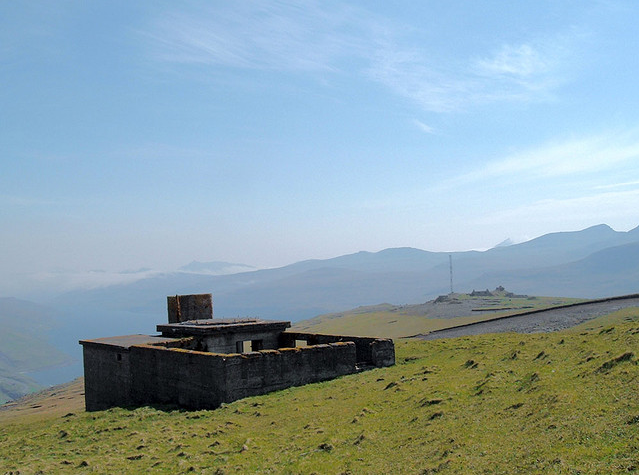
WWII radar station, Eiðiskollur
Six radar sites were established in the Faroes with considerable direction from RCAF officers and non-commissioned officers. The normal tour of duty was six months, but Warrant Officer Hal Cairns served from February 1943 to February 1944. Corporal Olaf Craig Knudson of Woodstock, Ont., also had a one-year tour. Warrant Officer Clarence MacDonald arrived early in 1942 and remained until late 1943.
Gaining access to some of these sites presented a challenge. Sergeant Earl Moore recalled travelling with a party of 14 to Nolsoy Island in November 1942. Rough seas prevented them from tying up at the dock so they waded ashore with their kit and then scaled a nine-metre cliff. Their quarters—a lightkeeper’s house—was another 120 metres up, and the actual radar equipment was on a ledge that was higher still.
From their perch, the radar crews observed Allied shipping and ferry air traffic; occasionally they plotted German weather reconnaissance aircraft. The biggest enemy was wind, and it was sometimes necessary to lash down the radar arrays to a degree that hindered actual coverage. Early in 1943, Moore salvaged sheets of Plexiglas to create a “radar dome” as protection against gales.
The Faroe Islands: Some of the earliest and most famous clusters known to MS investigators are a series of alleged epidemics that occurred on the Faroe Islands, a Danish possession in the Atlantic between Norway and Iceland. Although the inhabitants are Nordic and considered a high-risk group for the disease, there were no known reports of MS prior to 1943 among native-born residents. In the early 1960s a Washington, D.C. neurologist, Dr. John Kurtzke, became intrigued with a report by a Danish investigator, K. Hyllested, about 25 cases of MS in the Faroes that had occurred starting in 1943. It appeared that the disease had been brought into the Faroes since it hadn’t been reported there before.
The most significant event that had taken place on the Faroes was the British occupation during World War II. Assuming an incubation period of a few years, this would tally with the onset of the first alleged epidemic in 1943. When researchers later grouped the cases of MS with clinical onset 1943-73 by puberty status at the time of the British occupation, they found three distinct peaks of MS incidence, corresponding to the three alleged epidemics. The first consisted of 18 cases, all of whom were past puberty at the time of the occupation. The second consisted of nine cases who were prepubertal during the occupation but who reached age 11 between 1941 and 1951, with onset of MS 1948-60. The third comprised five cases who reached age 11 between 1949 and 1963, with onset of MS 1965-73.

Four-year-old child with multiple sclerosis. © Paul Fusco/Magnum Photos
Many of the occupation soldiers were from the Scottish Highlands, where the MS prevalence is quite high: 90 cases per 100,000, comparable to the northern U.S. In Dr. Kurtzke’s view, if MS is triggered by a virus, the disease may have been brought to the Faroes by the soldiers. Dr. Kurtzke is continuing his studies of MS in the Faroes, but despite years of intensive investigation, no factor has yet been identified that can definitively account for the alleged epidemics.
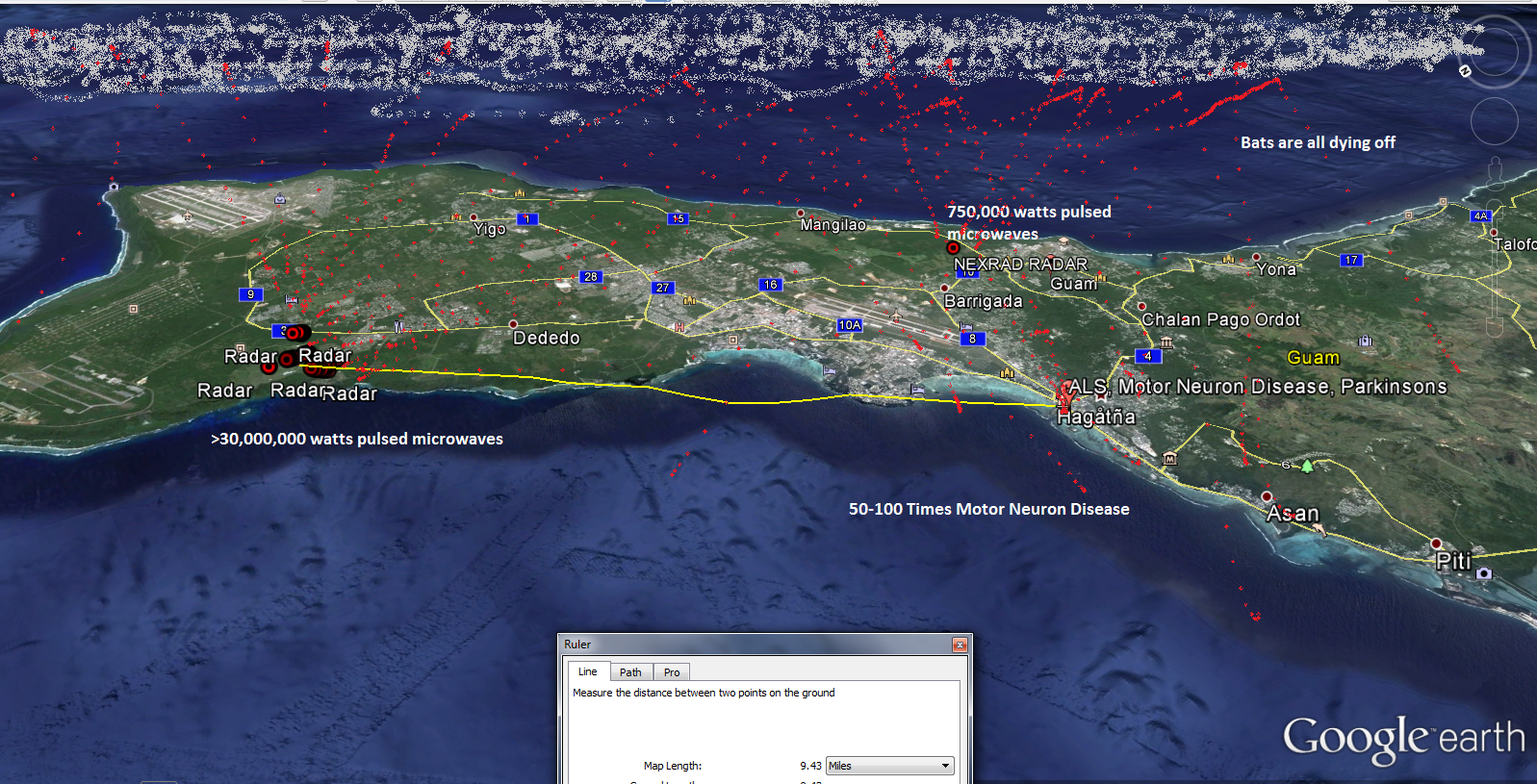
I count at least 25 microwave radars on Guam
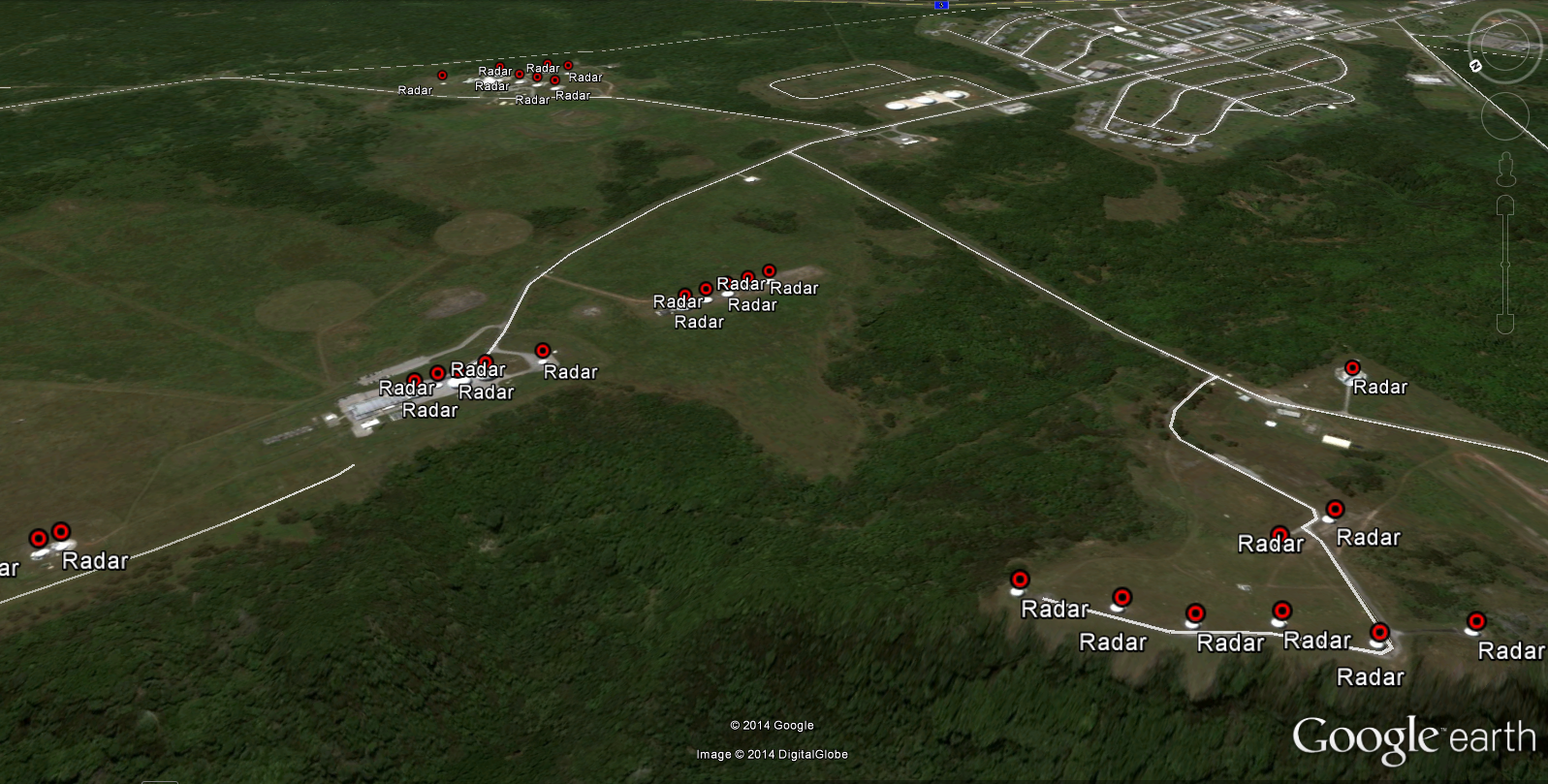
I am pretty sure that radar salesman made presidents club
Guam is known for incredibly high rates of a degenerative disease which has some of the hallmarks of motor neuron, Parkinson’s and dementia, but cannot be firmly identified as any of them.
Among the Chamorro people on the island, rates of the mysterious condition run at between 50 and 100 times the “normal” rate of motor neuron disease found in other communities.
Many theories have been put forward as to the cause of the disease, but the mystery has yet to be solved.
In recent years, some researchers have suggested that islanders habit of catching and eating a type of bat called a flying fox may be to blame.
It is suggested that the flying foxes feed on seed containing a chemical highly toxic to human brain cells.
When residents ate the animals, high levels of the chemical, which had accumulated in the bat tissues, was passed on.
The flying fox is now an endangered species in Guam, but researchers from the Institute of Ethnobiology in Kauai, Hawaii, analysed bat skins preserved at the Museum of Vertebrate Biology at the University of California at Berkeley.
They measured the concentration of BMAA – the neurotoxic chemical they suspect is behind the illness.
All of the skins contained a high concentration of BMAA, and researchers believe it backs up the theory that bat consumption may be to blame.
The bats, they think, ate large quantities of the seeds, and the poison accumulated in their bodies without killing them.
Dr Paul Cox, one of the researchers, said: “The concentration of BMAA in these 50-year-old museum specimens suggests that the Chamorro people may have unwittingly ingested high doses of BMAA when they ate flying foxes.
“This appears to be the consequence of biomagnification of the toxic substances in the food chain.”
A separate academic, Dr Carmel Armon of the Department of Neurology at Loma Linda School of Medicine in California, welcomed the research.
However, he said it was possible that the museum’s flying fox collection might not be representative of flying foxes in general on Guam.
DID YOU GUYS EVER THINK THAT WHAT KILLED OFF THE BATS MIGHT BE THE SAME THING CAUSING THE MOTOR NEURON DISEASE IN HUMANS? Like, maybe
MICROWAVE RADARS
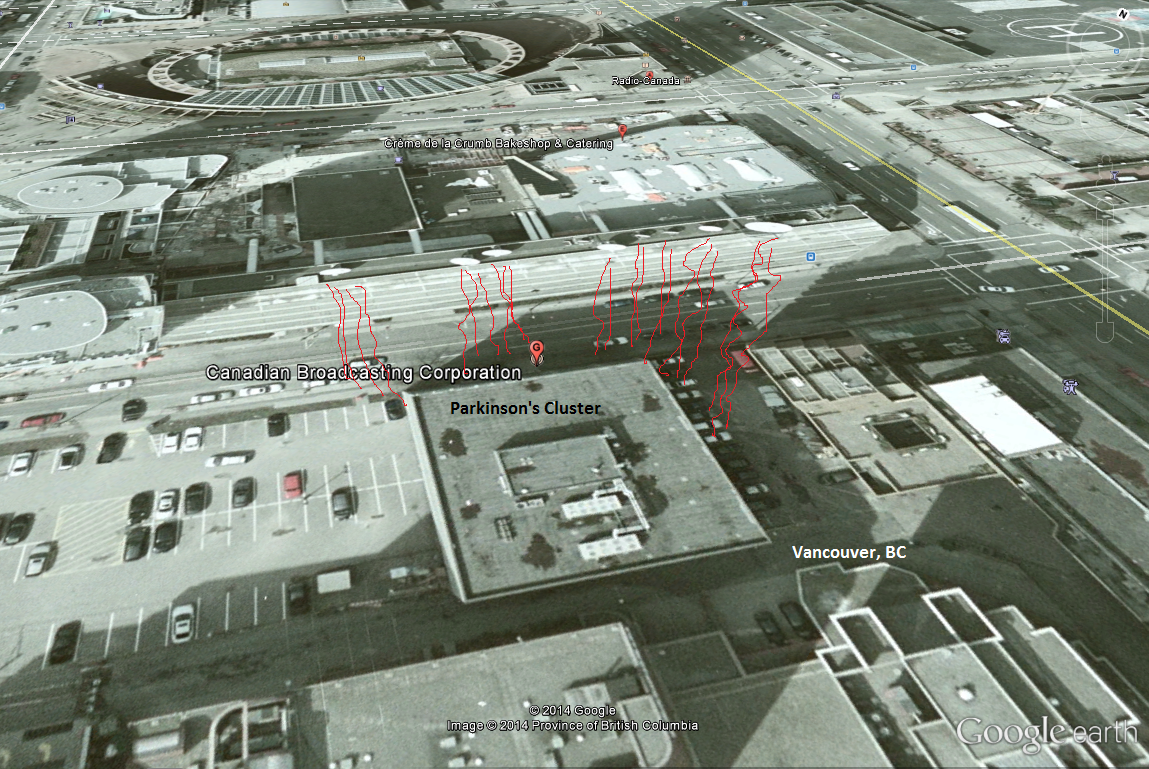
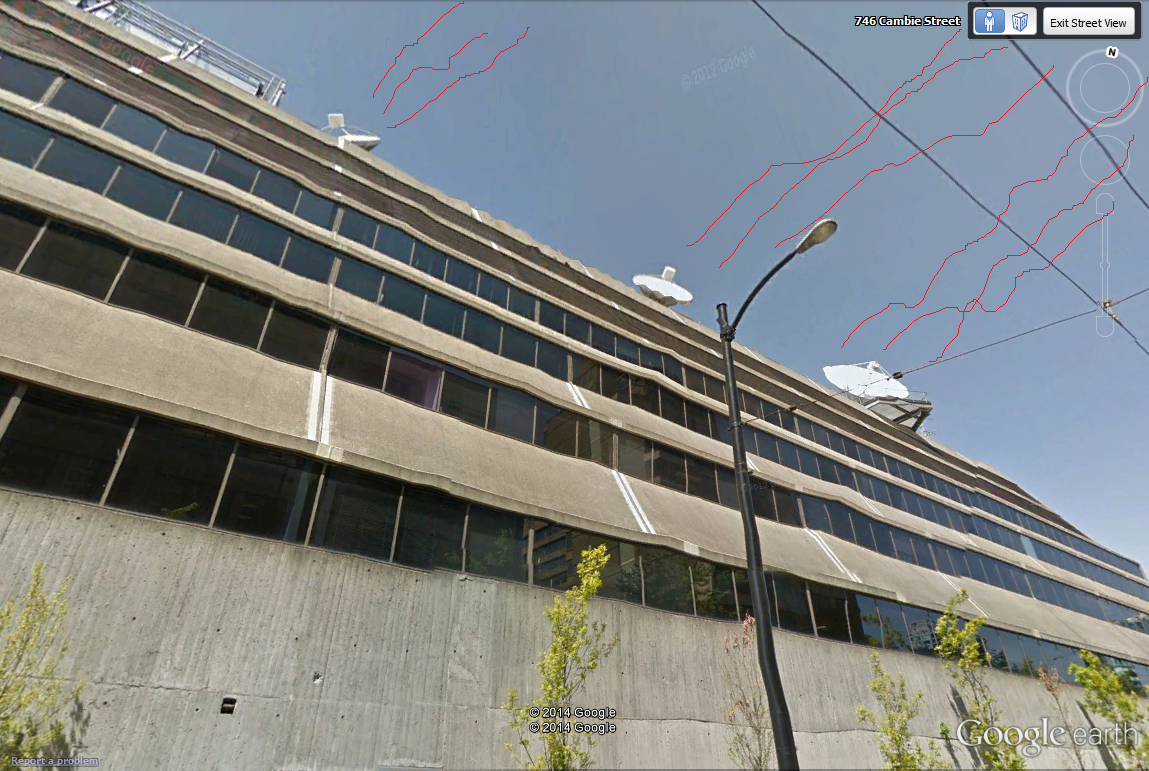
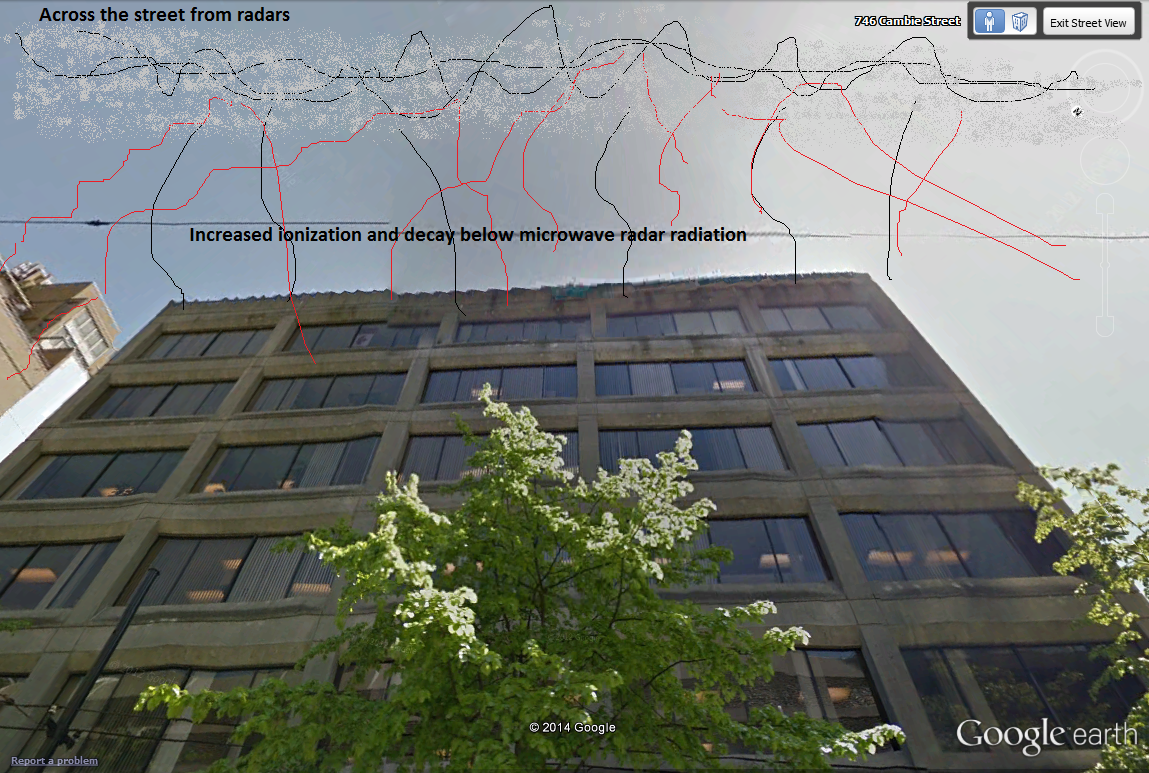
The Parkinson’s secret
Waiting 16 months for Michael J. Fox’s people to call his people, documentary director and journalist Jerry Thompson stumbled upon a medical mystery.
Thompson had been commissioned by Canadian television to make a documentary about Fox, that country’s favourite son, who had recently announced that he had Parkinson’s disease.
Dr Calne said there were at least three other people among the 50-odd crew from the television series Leo and Me, where Fox landed his first role in 1976, who had developed Parkinson’s.
It dawned on Thompson that he might know one of those people. His hunch was confirmed, and eventually his detective work led him to the others. He realised that four people from a crew of 50 contracting the same illness was an odd anomaly.
Don S. Williams
In 1993, Williams was diagnosed with Parkinson’s Disease – a degenerative disorder of the central nervous system. In March 2002, a small flurry of media interest erupted when it was revealed by documentary film-maker Gerry Thompson (for the Canadian broadcaster CTV) that Don was one of four people who worked together at the CBC in 1979 (the most famous being Michael J. Fox) who would all later go on to not only develop Parkinson’s Disease, but to have the symptoms appear at roughly the same time (the early 1990s). Current evidence suggests that as many as eight crew and cast members on the project have developed Parkinson’s symptoms.
This unusual coincidence led to the suggestion that Parkinson’s may possibly have some sort of environmental trigger.
Thus, during the week of March 22–29, 2002, Williams and his doctor were interviewed by Good Morning America, ABC News, NBC News, Entertainment Tonight, Access Hollywood, CNN, People Magazine,MacLean’s Magazine, CTV and The New York Times.
OK?
Bizarre’ Cluster of Severe Birth Defects Haunts Health Experts
A mysterious cluster of severe birth defects in rural Washington state is confounding health experts, who say they can find no cause, even as reports of new cases continue to climb.
Federal and state officials won’t say how many women in a three-county area near Yakima, Wash., have had babies with anencephaly, a heart-breaking condition in which they’re born missing parts of the brain or skull. And they admit they haven’t interviewed any of the women in question, or told the mothers there’s a potentially widespread problem.
But as of January 2013, officials with the Washington state health department and the Centers for Disease Control and Prevention had counted nearly two dozen cases in three years, a rate four times the national average.
Since then, one local genetic counselor, Susie Ball of the Central Washington Genetics Program at Yakima Valley Memorial Hospital, says she has reported “eight or nine” additional cases of anencephaly and spina bifida, another birth defect in which the neural tube, which forms the brain and spine, fails to close properly.
“It does strike me as a lot,” says Ball.
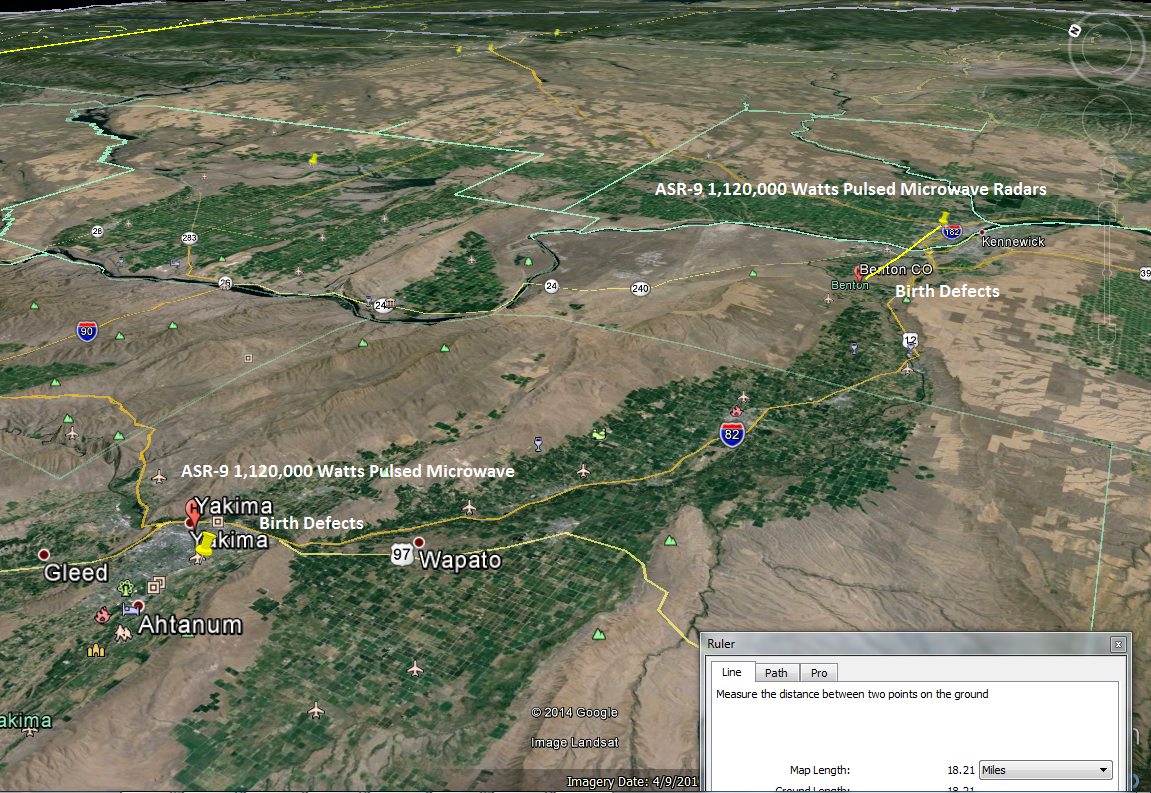
What are the chances that three rural counties would have multiple babies with brain damage AND ALL HAVE ASR-9,1,120,000 Watt Pulsed Microwave Radars within 20 miles and have Mountains in the Background to help reflect the radiation and let it bounce around some more?

Sea-Tac ASR-9 1,100,000 Watts Pulsed Radar


Yakima, County ASR-9 1,100,000 Watts Pulsed Radar

Benton County ASR-9 1,120,000 Watts Pulsed Microwave Radar
I’m not sure of the odds of that because I am not a gambler, a biologist or a radar physorcist or electrical enginerd. But it damn sure is one hell of a coincidence DON’T YOU THINK?????
I am getting even more pi$$ed off, can’t you tell?

Salt Lake City, Utah has the Second Highest Autism Rate.
Utah’s autism prevalence rate is holding steady. New Jersey is now first in the nation when it comes to the number of autism cases. Utah is number two. The Utah Autism and Developmental Disabilities monitoring project said 1 in 54 children in the state have been diagnosed with an autism spectrum disorder, which is about 2 percent and the same number as 2008.


 Dark Matters a Lot